


Understand why dogs experience anxiety, how to recognize the signs, and the most effective ways to help your dog feel safe, calm, and confident.
Dog anxiety is one of the most common — and most misunderstood — issues dog owners face. Whether your dog panics during thunderstorms, becomes destructive when left alone, trembles during car rides, or seems constantly on edge, anxiety can affect every part of their life.
Dog anxiety isn’t just a bunch of barking and pacing—sometimes, it runs a little deeper than that. Just like us, dogs have emotions and deal with stress in their own ways. Differentiating between common dog stress and genuine anxiety can be tricky, so understanding these nuances is crucial.
Anxiety in dogs might appear as situational, often popping up during specific events like fireworks. But it can also be a chronic issue, affecting their day-to-day lives. Knowing the type of anxiety your dog faces helps in managing it better.
Factors contributing to canine anxiety are wide-ranging, from genetics to environmental situations. Some dogs might have anxiety packed in their DNA, while others develop it due to their experiences or living conditions. Understanding these factors gives us clues to help us support our furry friends more effectively.
The good news? Dog anxiety is highly manageable. With the right understanding, training approach, environment, and support, you can dramatically reduce your dog’s stress and help them live a calmer, happier life.
This complete guide will walk you through:
- What dog anxiety really is
- The different types of anxiety in dogs
- Signs and symptoms to watch for
- The root causes behind anxious behavior
- Proven ways to calm and support an anxious dog
- Training strategies that actually work
- When to seek professional help
If you’re tired of seeing your dog struggle and you’re ready to help them feel secure, you’re in the right place.

What Is Dog Anxiety?
Dog anxiety is a state of fear, stress, or unease that occurs when a dog perceives a situation as threatening or overwhelming. Unlike short-term fear (such as being startled by a loud noise), anxiety is often anticipatory — your dog worries about what might happen.
An anxious dog is not being stubborn, disobedient, or “bad.” Anxiety is an emotional response rooted in your dog’s nervous system. It can affect their behavior, health, and quality of life.
Some dogs are genetically predisposed to anxiety, while others develop it due to past experiences, lack of socialization, or environmental stressors. In many cases, it’s a combination of factors.
Common Signs and Symptoms of Anxious Dogs
Anxiety in dogs doesn’t come with a one-size-fits-all label. Picking up on the signs is like figuring out a puzzle specific to your pup. You’ll often see changes in behavior—like excessive barking, trembling, or destructive activities when they’re normally as chill as a cucumber.
Physical manifestations can also be pretty telling. Some dogs deal with anxiety through panting, drooling, or even showing digestive issues. Just because their tummy acts up, doesn’t mean they’ve been sneaking extra cookies! Anxiety can stir up all sorts of physical reactions.
It’s important to separate anxiety from other behavioral quirks or medical issues. Sometimes a dog’s odd behavior might seem like anxiety, but it could be a sign of something else that the vet should check out.
Symptoms of anxiety can change with age. Puppies might show signs differently compared to older dogs. With age, sensitivity to noise or separation issues might spike up, signaling they need a bit more comfort or companionship.
Spotting these signs early on not only helps in providing the right assistance but also keeps other behavioral problems at bay. Understanding your dog’s signals lets you create the happiness they deserve.
If you think your dog is dealing with separation anxiety, check out how to train your dog to be alone without anxiety.
Identifying the Causes of Anxiety in Dogs
Figuring out what’s behind your dog’s anxiety is a big step forward. A common culprit is separation anxiety, which is pretty self-explanatory. This kind of anxiety kicks in when they’re left alone, even if just for a short while. Dogs are sociable creatures, after all, and solitude isn’t their best friend.
Another major factor could be changes in their environment or routine. Dogs thrive on predictability. Sudden changes like moving to a new house or having new family members – human or furry – can shake them up pretty good.
Past traumas also play a huge role, especially for rescue dogs. Having faced abandonment or abuse in the past creates a lingering fear that’s hard to shake off. Building trust and offering reassurance become key.
Interestingly, certain breeds might be more prone to anxiety. For instance, smaller dogs or highly intelligent breeds can be more susceptible due to their heightened sensitivity or need for mental stimulation.
Lastly, don’t overlook potential health issues. Sometimes, what seems like anxiety is actually a sign of discomfort or pain. Regular health check-ups help rule out such hidden causes, ensuring your dog isn’t just emotionally secure but physically healthy too.
Common Types of Dog Anxiety
Understanding the specific type of anxiety your dog experiences is the first step toward solving it.
1. Separation Anxiety
Separation anxiety occurs when a dog becomes extremely distressed when left alone or separated from their owner. This is one of the most common forms of dog anxiety.
Common signs include:
- Barking or howling when you leave
- Destructive behavior (especially near doors or windows)
- Pacing or restlessness
- Accidents in the house
- Excessive drooling or panting
Separation anxiety is not a training issue — it’s an emotional panic response.
2. Noise Anxiety (Thunder, Fireworks, Loud Sounds)
Many dogs are terrified of loud, sudden noises such as:
- Thunderstorms
- Fireworks
- Gunshots
- Construction noise
- Vacuum cleaners or blenders
Noise anxiety often causes:
- Trembling or shaking
- Hiding or trying to escape
- Clinging to owners
- Destructive behavior
- Drooling or pacing
Some dogs even anticipate storms before they arrive due to changes in pressure or static electricity.
3. Social Anxiety
Social anxiety occurs when a dog feels uncomfortable or fearful around people or other dogs.
This can show up as:
- Avoidance
- Growling or snapping
- Hiding behind the owner
- Freezing in place
- Excessive barking
Social anxiety is often rooted in lack of early socialization or negative experiences.
4. Travel & Car Anxiety
Some dogs become anxious in the car or during travel. This may be due to:
- Motion sickness
- Previous negative experiences (e.g., vet visits)
- Lack of exposure
Signs include:
- Panting
- Drooling
- Whining
- Vomiting
- Refusing to get in the car
5. Crate Anxiety
While crates can be helpful, some dogs feel trapped or panicked inside them.
Crate anxiety may involve:
- Biting or scratching at the crate
- Barking or whining
- Drooling
- Injuring themselves trying to escape
This is usually caused by negative associations with the crate or improper introduction.
6. Generalized Anxiety
Some dogs are simply anxious most of the time. These dogs may be:
- Easily startled
- Constantly on edge
- Unable to relax
- Hypervigilant
Generalized anxiety can be genetic or developed over time.
If you want to know how to help your dog feel safe in its crate, check out crate anxiety in dogs.
Signs and Symptoms of Anxiety in Dogs
Anxiety doesn’t always look the same in every dog. Some signs are obvious, while others are subtle.
Physical Signs
- Trembling or shaking
- Panting (without exercise)
- Excessive drooling
- Dilated pupils
- Pacing
- Loss of appetite
Behavioral Signs
- Barking, whining, or howling
- Destructive behavior
- Avoidance or hiding
- Clinginess
- Aggression (defensive)
- Repetitive behaviors (licking, spinning)
Emotional Signs
- Restlessness
- Hyper-alertness
- Inability to settle
- Fearful reactions to normal situations
If your dog shows several of these consistently, anxiety is likely a factor.
What Causes Dog Anxiety?
Understanding the root cause helps you choose the right solution.
1. Lack of Early Socialization
Dogs that were not properly exposed to people, animals, sounds, and environments as puppies are more likely to develop anxiety.
2. Traumatic Experiences
Rescue dogs or dogs that have experienced:
- Abuse
- Neglect
- Abandonment
- Accidents
may develop anxiety as a protective response.
3. Genetic Predisposition
Some breeds are more prone to anxiety than others. Working and herding breeds, in particular, can be sensitive to environmental stress.
4. Changes in Environment
Moving, new family members, schedule changes, or loss of a companion can trigger anxiety.
5. Medical Issues
Pain, cognitive decline, or illness can cause or worsen anxiety. Always rule out medical causes with your vet.
How Anxiety Affects Your Dog’s Health
Chronic anxiety isn’t just emotional — it’s physical.
Long-term stress can lead to:
- Weakened immune system
- Digestive issues
- Skin problems
- Behavioral deterioration
- Reduced lifespan
Helping your dog manage anxiety is an investment in their overall health.
Practical Approaches to Calming an Anxious Dog
Creating a soothing space can work wonders for an anxious dog. A cozy corner with their favorite blanket or bed gives them a safe retreat when things get a bit too much. Your home doesn’t need to be stress-free just for you—even dogs appreciate a bit of zen!
Exercise is another key player in reducing anxiety. Regular playtime or walks can help channel that nervous energy into something positive, keeping the anxiety at bay. Plus, who can resist a good run in the park, right?
Some tools, like anxiety vests, can offer a sense of security. These provide gentle pressure, kind of like a reassuring hug. It’s fascinating how something so simple helps in making them feel secure and calm.
Believe it or not, your energy spills over to your dog. Staying calm yourself can help set the tone and make them feel less stressed. A peaceful human often equals a peaceful pup!
Never underestimate the power of good nutrition. Just like us, dogs thrive on a healthy diet. Sometimes tweaking what they munch on or adding supplements helps in reducing anxiety levels. A chat with the vet can guide you in the right direction for their dietary needs.
If your dog gets startled by loud noises easily, learn how to handle it with how to keep dog calm during thunderstorm.
How to Calm an Anxious Dog: What Actually Works
There is no single “magic solution” for dog anxiety. The most effective approach combines environment, training, emotional support, and (when needed) calming aids.
1. Create a Safe Space
Every anxious dog should have a designated safe zone where they can retreat.
This might be:
- A quiet room
- A covered crate
- A corner with a bed and blanket
Keep this space:
- Calm
- Quiet
- Comfortable
- Off-limits to disturbances
This becomes your dog’s emotional anchor.
2. Establish Predictable Routines
Dogs thrive on predictability. A consistent routine reduces uncertainty — and uncertainty fuels anxiety.
Try to keep:
- Feeding times consistent
- Walk schedules consistent
- Bedtime consistent
The more predictable their day, the safer they feel.
3. Provide Proper Exercise
Pent-up energy intensifies anxiety.
Daily physical activity:
- Burns stress hormones
- Improves mood
- Increases confidence
This doesn’t mean exhausting your dog — just giving them appropriate, regular outlets.
4. Mental Stimulation
Anxious dogs often overthink. Give their brain something constructive to focus on.
Options include:
- Puzzle toys
- Snuffle mats
- Training sessions
- Nose work games
Mental work is incredibly calming.
5. Calm, Confident Leadership
Dogs take emotional cues from their owners.
If you:
- Panic
- Rush
- Over-comfort
- React emotionally
your dog may interpret the situation as dangerous.
Instead, remain:
- Calm
- Neutral
- Confident
You are your dog’s emotional reference point.
Training Strategies for Anxious Dogs
Training an anxious dog is not about force — it’s about trust.
Desensitization
This means gradually exposing your dog to their trigger at a level they can handle.
Example:
- Play thunder sounds at very low volume
- Pair with treats and calm behavior
- Slowly increase volume over time
Never flood your dog with full exposure.
Counterconditioning
This pairs the trigger with something positive.
Trigger + Treat = New emotional response
Over time, fear is replaced with anticipation of something good.
Confidence-Building Training
Basic obedience training builds:
- Communication
- Trust
- Mental structure
Commands like sit, down, stay, and place create stability.
Calming Aids For Dogs
Natural Supplements
Common options include:
- L-theanine
- Chamomile
- Valerian root
- CBD (where legal)
These can help take the edge off without sedation.
Calming Treats & Chews
These often combine natural calming ingredients in an easy-to-administer form.
Pheromone Diffusers
These mimic the calming pheromones of mother dogs and can help reduce environmental stress.
Anxiety Wraps (Thundershirts)
Gentle pressure can have a calming effect for some dogs.
Prescription Medication
In severe cases, your vet may recommend medication. This should always be combined with behavior modification.
What NOT to Do With an Anxious Dog
Avoid these common mistakes:
- Punishing anxious behavior
- Forcing exposure too quickly
- Yelling or scolding
- Inconsistent routines
- Ignoring the problem
Anxiety does not resolve on its own.
If you are looking for calming aids your dog, check out our best calming aids for anxious dogs.
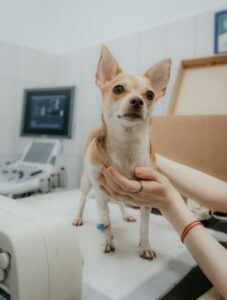
When to Seek Professional Help
You should consider a professional trainer or veterinary behaviorist if:
- Your dog is injuring themselves
- Aggression is present
- Anxiety is worsening
- Nothing you try is helping
Professional guidance can save months or years of frustration.
Sometimes anxiety in dogs needs more than just home remedies. When the usual tricks don’t cut it, turning to professional help could be the smartest move. Behavioral therapy often works by addressing the root causes and teaching your dog how to cope.
In some cases, medication might be necessary. If your dog’s anxiety is severe and disrupting daily life, a vet can prescribe the right medication to help them manage better. It’s not a quick fix, but part of a broader treatment plan.
Professional training also comes in handy. Trainers skilled in anxiety-specific techniques can offer insights you might not think of on your own.
Consulting a veterinary behavioral specialist ensures that your dog’s anxiety isn’t linked to an underlying health issue. These specialists can combine training with medical insights for a comprehensive solution.
Complementary therapies like aromatherapy or CBD have been getting attention too. While they aren’t a replacement for conventional care, they can be extra tools in your anxiety-fighting kit. Always check in with your vet before starting new treatments, ensuring they’re safe and suit your pup’s specific needs.
Can Dog Anxiety Be Cured?
Anxiety is not always “cured,” but it can be managed extremely well. Many dogs go from severe anxiety to calm, confident companions with the right approach.
Progress is not always linear. Expect ups and downs. What matters is consistency.
Final Thoughts: Helping Your Dog Feel Safe Again
Living with an anxious dog can be emotionally exhausting — but it is also incredibly rewarding to watch your dog grow in confidence.
Remember:
- Your dog is not broken
- You are not failing
- This is fixable
With patience, structure, and the right tools, you can help your dog feel safe in a world that currently feels overwhelming to them.
Your calm is contagious. Your consistency is powerful. And your dog is capable of more than you think.
Next step: Explore our in-depth guides on separation anxiety, thunderstorm anxiety, crate anxiety, and the best calming aids for anxious dogs to create a complete anxiety-reduction plan for your dog.