



A few of the links in this post are affiliate links. If you buy something, we may earn a small commission (no extra bones from your wallet 🐾). Thanks for helping support the site and all of the dog adventures!
We understand how crucial your dog’s health is to you. You may look at your furry friend every day, but have you ever stopped to consider if your dog’s cuddly exterior might be hiding something more concerning?
Obesity in dogs is more common than you might think, and it’s a condition that needs your attention. This is why we’re writing this to help you find the best treatment for obesity in dogs.
Let’s start with something you can do right now: a body condition score assessment. This is something you can learn to do at home. What you’re looking for is a discernible waist and you should be able to feel your dog’s ribs without much pressure.
If that’s not the case, your dog could be overweight. The waist should be thinner than the chest and there should be a clear thinning going towards the back of the body.
If your dog has a round figure down its entire body with little to no definition, it may be time to consider if there is a problem.
Many pet owners think a ‘well-fed’ dog is a happy one, often mistaking excess weight for a sign of health. In reality, those extra pounds could be shortening your companion’s lifespan and predisposing them to diseases like diabetes and arthritis.
Owners should cautious of how much food they are leaving out for their pups. Some owners choose to leave a big bowl of food so that their dog can chow down whenever it pleases, but this may not be the healthiest option.
You may want to consider portion control or specific feeding times rather than leaving a big pile of food in their bowls all day.
If you suspect your dog’s weight isn’t where it should be, it’s always a good practice to confirm your at-home findings with a vet.
A vet can bring a level of expertise in recognizing signs of obesity and can provide a more objective health assessment, setting the stage for a healthier weight management plan.
Weight management is an ongoing process, and you can find practical tips in How to Keep Your Dog at a Healthy Weight.
Looking for fresh dog food delivered? Click here.
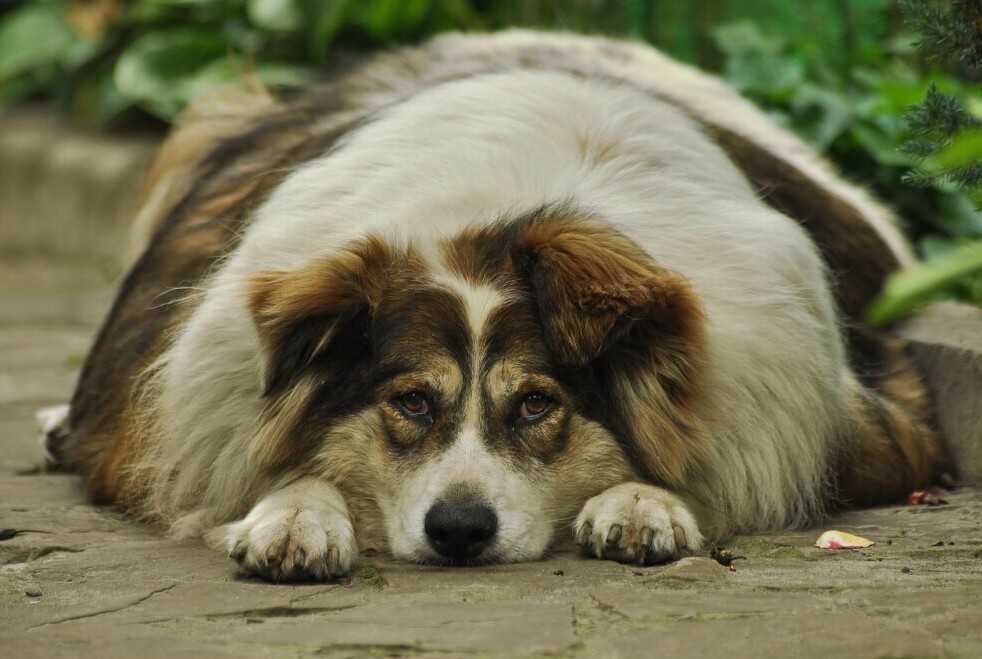
Uncovering the Causes: Why Your Dog May Be Gaining Weight
Understanding why dogs gain weight is CRUCIAL to prevent and manage obesity. It’s not as straightforward as one might think – several factors, often in combination, are typically at play. Let’s run through some of the most common reasons your dog may be having weight issues.
First, consider the genetic predisposition of your canine companion. Some breeds are more likely to gain weight than others. For example, Labradors and Beagles love their food, which can make them prone to overeating.
This can be a major problem down the road so it is something to be aware of. Knowing the most about the specific breed of dog you have will help you understand what the issue may be and the best plan of action to take.
Dogs don’t decide their daily activities or plan their meals – that’s our job as owners. If we’re not careful, we could be serving portions that are too large, or we might not realize how those extra treats add up.
Portion control is essential, and it’s important to remember that (most) dogs are much smaller than humans so they don’t need to be eating human sized portions.
Something that may be a small bite to us isn’t the same in relation to the size of the dog. For our list of the best food for overweight dogs, click here.
Lack of adequate exercise is another significant factor; a sedentary lifestyle will contribute to weight gain in dogs just as it does in humans.
Dogs need to be active on a regular basis, and if left inside all day with no exercise, they will start to gain weight which can lead to health issues down the road.
We also need to account for age. As dogs get older, their metabolism slows down. They may not need as many calories as they did in their youth.
Neutering or spaying can also lower their energy needs somewhat. Just like humans, the older they get they start holding onto some of that extra weight, and may be getting less active as well.
So it is completely normal for your dog to gain a little weight as it gets older, but it’s important to be able to recognize the difference between aging weight gain and weight gain due to problematic habits.
Finally, there might be underlying health conditions that lead to unexpected weight gain, such as hypothyroidism.
If your dog is eating right and staying active but still gaining weight, it’s time to check with the vet. There are some issues that you may not be able to solve and could be caused by an underlying issue.
Next, we’ll explore the best strategies and solutions for managing your dog’s weight effectively. Remember, it’s about a change in lifestyle, not just a short-term fix.
Diet plays a major role in treating obesity. Learn how to choose the right food in The Best Diet for Your Dog’s Breed and Age.
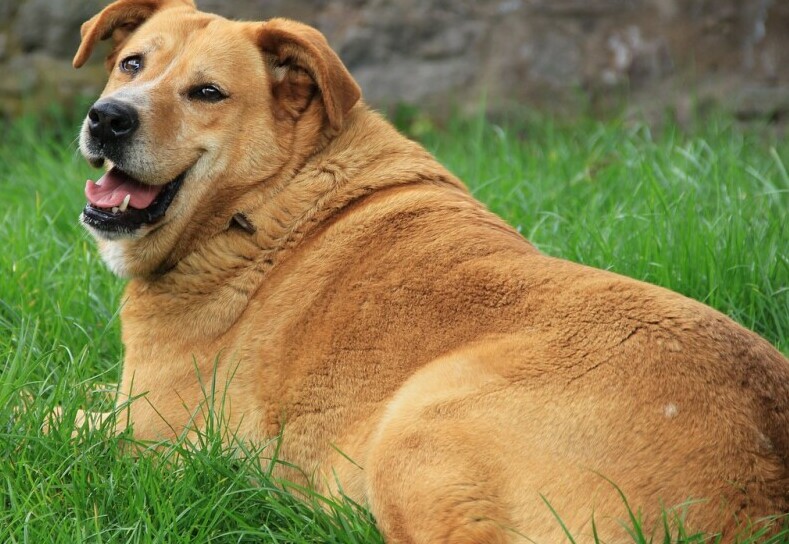
Strategies and Solutions: Managing Your Dog’s Weight
We understand how worrying it can be to see your furry friend struggling with extra weight. A comprehensive approach to canine weight management is essential and definitely achievable with the right plan.
Working towards a healthy weight for your dog not only enhances their quality of life but also contributes to their longevity. This is a journey that you and your pup take together, so adopt a healthy lifestyle for your dog from the start, and it will become the norm for your dog.
First off, consider the diet of your dog. A tailored diet plan under the supervision of your veterinarian can make a significant difference. There are many different foods and treats that are available at any store, so it’s important that you take the time to check the ingredients and make sure that what your dog is eating is healthy and not full of unnecessary extras.
Your vet can recommend a balanced, calorie-controlled food that suits your dog’s specific needs, potentially including specially formulated weight management diets.
Exercise is another critical component of weight management. Finding the right balance can be tricky, but aim for a consistent, daily routine that includes walks, playtime, and other forms of physical activity.
Remember, the intensity and duration of exercise should be appropriate for your dog’s breed, age, and health condition.
This is a big one because dogs are very adaptable creatures, and if their owner lets them live a sedentary lifestyle then they will get worse as they get older. Dogs need regular exercise to keep them happy and healthy.
Sometimes, despite your best efforts, your dog’s weight might not budge, or you might notice signs of associated health problems. This is a moment to involve your veterinarian.
They can help pinpoint any underlying medical conditions contributing to the weight issue and can adjust treatment plans as needed.
If you have tried all of the solutions listed here and still find that your dog isn’t shaking off any of the weight, then it may be time to consult with someone.
Ultimately, managing your dog’s weight takes a long-term commitment. Regular check-ups, ongoing dietary adjustments, and consistent exercise are all part of the equation.
Embrace the process as a critical aspect of caring for your dog and celebrate the milestones along the way! Remember that it’s a lifestyle, so start the healthy habits when they are young, and it will become a part of the everyday fabric of their lives.
Identifying excess weight early makes treatment easier. Helpful advice is in Is Your Dog Overweight? How to Tell and What to Do.
Looking for fresh dog food delivered? Click here.