

A few of the links in this post are affiliate links. If you buy something, we may earn a small commission (no extra bones from your wallet 🐾). Thanks for helping support the site and all of the dog adventures!
Understanding what our dogs are trying to tell us can really change the game in our relationship with them. Dog body language is like a silent conversation unfolding with every wag, bark, and head tilt.
By tuning into these signals, you’re not just guessing what your dog wants or feels—you’re connecting on a deeper level. And we’re here to help you do that by giving you the common body language moves that your dog is making.
Dogs rely a lot on body language because, unlike us, they can’t whip up a sentence to express their needs or emotions. Body language has been key for survival and social interaction in the canine world. It’s an instinctual toolkit refined over thousands of years that enables them to signal everything from excitement to unease.
It’s fascinating how our furry pals have evolved to perfectly blend vocalizations with non-verbal cues. A lot goes into that perfect bark or that tell-tale tail wag. The pitch and tone of their sounds can relay a ton of information. It’s about picking up the nuances and using them to enhance how we communicate with them.
Reading these signals doesn’t just help you understand what your dog wants, but it can also be a tool for ensuring their happiness and health. Recognizing when a dog’s posture changes or when their bark shifts might help you catch a health issue sooner or ward off tension before it escalates. It’s a language worth learning.
Next time your dog looks at you with those big eyes or nudges you with their nose, see it as an opportunity to participate in a two-way conversation. They have a lot to say if we’re just willing to put in the effort to listen. Gaining fluency in canine communication is stepping into their world and seeing things through their eyes—rewarding for both of you!
Recognizing your dog’s body language helps prevent and address behavioral issues. Learn more in Common Dog Behavior Problems and How to Fix Them.
Common Dog Signals – What Are They Trying to Say?
Understanding your dog’s signals can turn you from a dog owner into a dog whisperer. Each wag, bark, and shift in posture is a clue about how your pup is feeling or what they’re thinking. Tuning in to their body movements will help you figure out what they are trying to say.
A wagging tail often means a friendly greeting, but it can also signify tension. Watch the tail’s height and speed. A low, slow wag might mean they’re unsure or even a bit nervous, while fast and high can denote excitement or alertness. There are absolutely different types of tail wags, so it’s important that you are able to tell the difference.
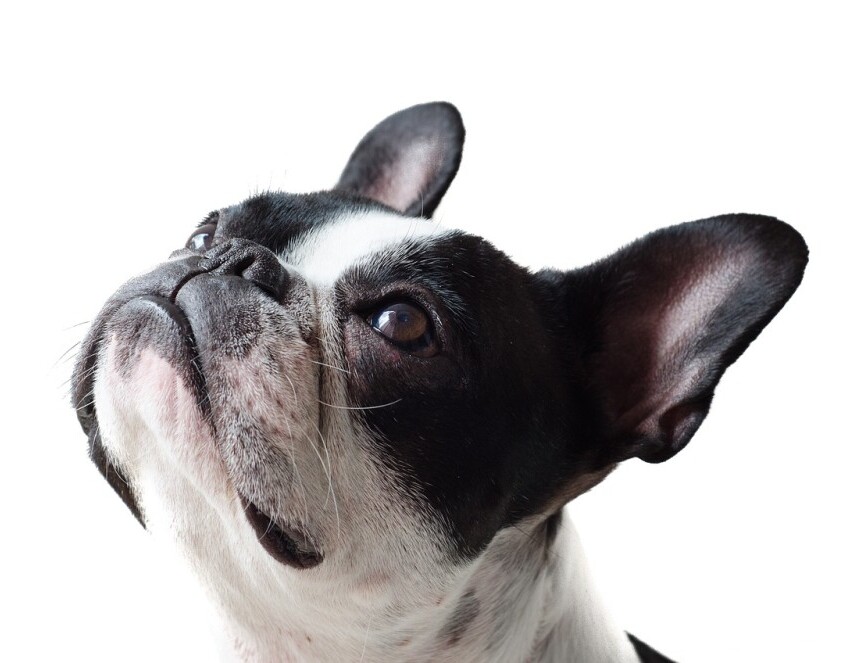
If your dog’s ears are moving around like satellite dishes, they’re definitely picking up on sounds and emotions. Ears perked up can indicate curiosity or surprise, while pinned back might sign distress or fear. Just like the tail, their ears can signal different meanings depending on what move they are making with them.
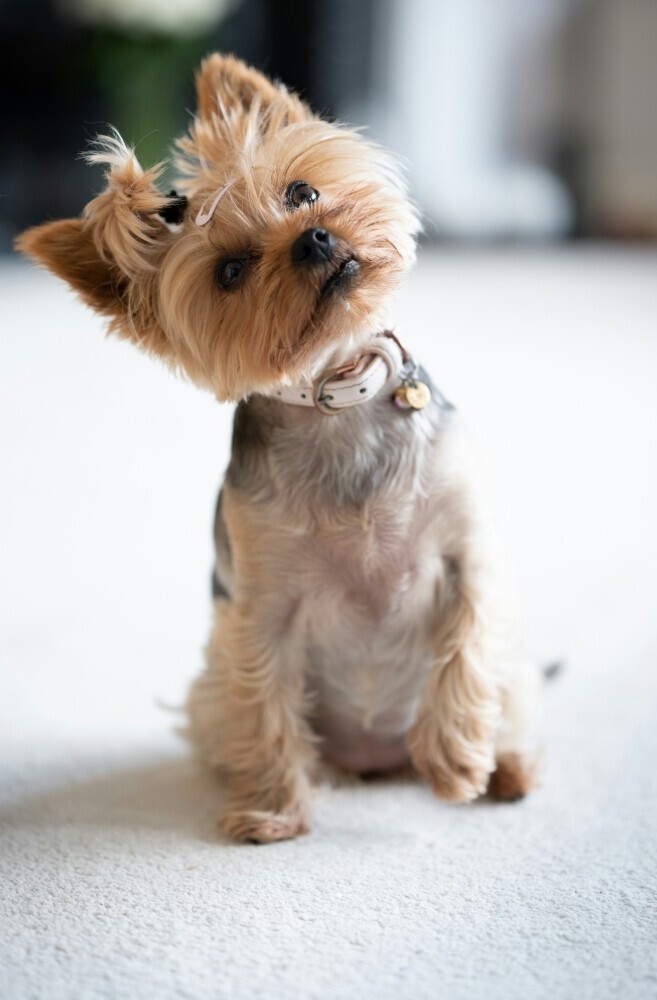
That charming head tilt we all adore isn’t just for show. It’s often your dog’s way of saying they’re trying to understand you better. When combined with eye contact, such gestures can be a sign they’re totally into whatever you’re saying or doing. They are trying to hone in on what you’re trying to get across to them.
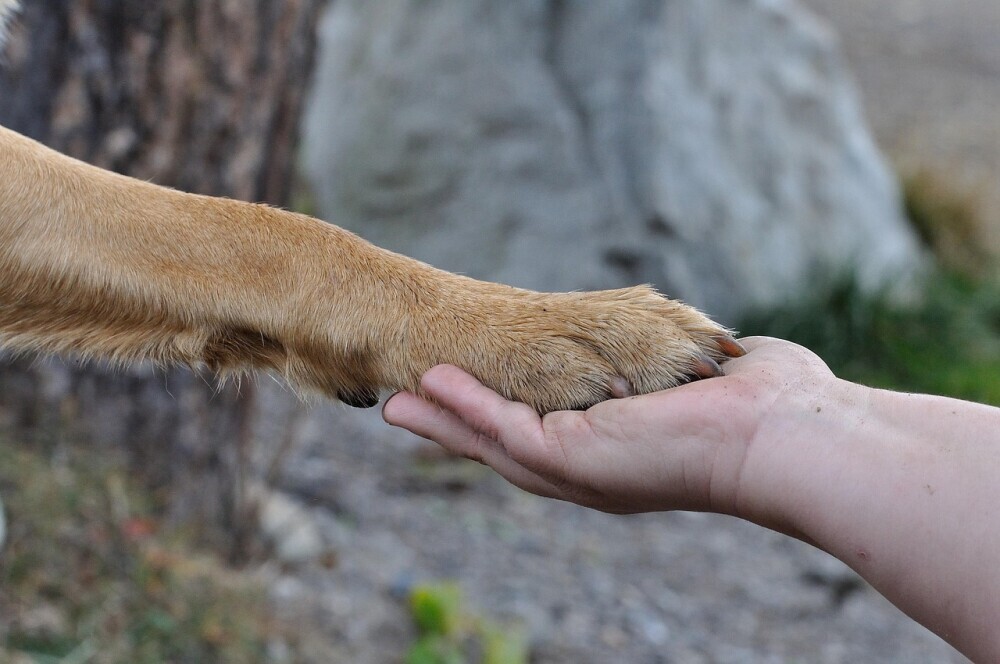
Pay close attention to paw raises. Sometimes, a paw raise can be a polite request for your attention or a signal that they’re unsure about something. Recognizing these subtle cues can prevent potential misunderstandings. It’s recognizing the small differences that can help your decipher their code.
Spotting these signals might help you detect when something isn’t quite right with your pup. Being proactive in understanding these common dog signals helps keep them happy and healthy. It’s learning to see the world from their perspective and how they are trying to communicate—pretty cool, right?
Teaching puppies to communicate effectively reduces stress and misbehavior. Explore techniques in the Ultimate Puppy Training Guide.
Behavioral Science: Why Dogs Do What They Do
Dogs’ behaviors can sometimes feel like a puzzle, but there’s science behind those quirks. Understanding these actions can deepen our connection with these amazing companions. And you’ll feel that you have a special type of communication with them that not all dog owners are able to attain.
A lot of what dogs do is a blend of instincts and learned behaviors. Instincts like chasing or barking at strangers are traits their ancestors needed. Over time, some behaviors have adapted to fit our human world, while others remain rooted in history. This is part of what you need to teach.
Learning plays a huge role too. Dogs pick up behaviors from their surroundings and experiences. A pooch that’s grown used to treats for good behavior will light up and maybe pull off their best tricks in hopes of getting another treat. Those smarts come into play every day, shaping how they interact with us.
Emotionally, dogs are quite the rich tapestry. They experience feelings in ways that might surprise you. Ever notice a guilty look after a torn-up shoe? That might be a show of guilt or fear of disapproval. Understanding these emotions helps us respond appropriately, nurturing trust and ensuring mental well-being.
While it’s easy to write off some behaviors as “just what dogs do,” there’s often more beneath the surface. Breed traits can heavily influence behavior too. Herding breeds might try to “herd” during playtime, and watchdog breeds might be prone to alert barking.
Diving into why dogs behave the way they do gives you a better framework to address issues like anxiety or aggression. It’s not just about managing these behaviors, it’s about understanding them. The bond you share grows stronger when you can look deeper and appreciate each wag and bark for the evolved communication it is.
Body language cues alert you when your dog needs calming. Find strategies in How to Calm an Overexcited Dog.

Listening to Canines: Ways Dogs Try to Communicate with Humans
Dogs have more to say than we often give them credit for. Those soulful eyes and quirky vocalizations are all part of their elaborate communication toolkit aimed at getting through to us. There is much they have to say, if only we can recognize their signs.
Eye contact stands as a key component. When a dog locks eyes with you, they might be trying to bond or searching for reassurance. Ever notice how some dogs avert their eyes when scolded? They’re acknowledging your authority or maybe signaling submission. So pay attention to what their eyes are doing to understand it’s mental state.
Vocalizations go beyond barking. Whines, growls, and yaps each hold different meanings. A short, sharp bark could mean they’re excited, while a drawn-out whine might be them asking for some comfort or attention. The trick is to match their vocal signals with body cues for the full picture. And of course, context to the current situation will play a role.
Posture is big in the dog world. A confident dog often stands tall with a relaxed posture, while one showing the belly is possibly indicating submission or trust. Recognizing a tense body can alert you to anxiety or fear. Combine this with knowing your dog’s normal behavior and you’re halfway there to knowing what they’re getting at.
Once again, context is crucial. Even the most familiar signals can change meaning based on the environment. A bark in the park differs from a bark at home late at night. Maintain situational awareness to avoid misinterpretations and ensure your response matches their communicative intentions.
By treating communication as a two-way street, you’re able to foster a deeper connection with your dog. They’re making an effort to get through—understanding that effort makes a world of difference and can save you the trouble of not getting them.
Understanding body language helps you apply calming strategies at the right time. Learn more in Best Calming Aids for Anxious Dogs.
Practical Steps: How to Respond to Your Dog’s Signals
Responding to your dog’s signals is about more than just reacting; it’s about fostering trust and a solid bond between you two. Recognizing their cues allows you to respond in a way that truly meets their needs. This can help you quickly decipher what they are trying to say so you know just what to do in response.
If your dog is showing signs of stress or anxiety, comforting them with a calm voice and gentle touch often works wonders. Make sure to create a safe space where they feel secure and understood, reinforcing the idea that they can rely on you. You are their rock, so be there for them when they need support.
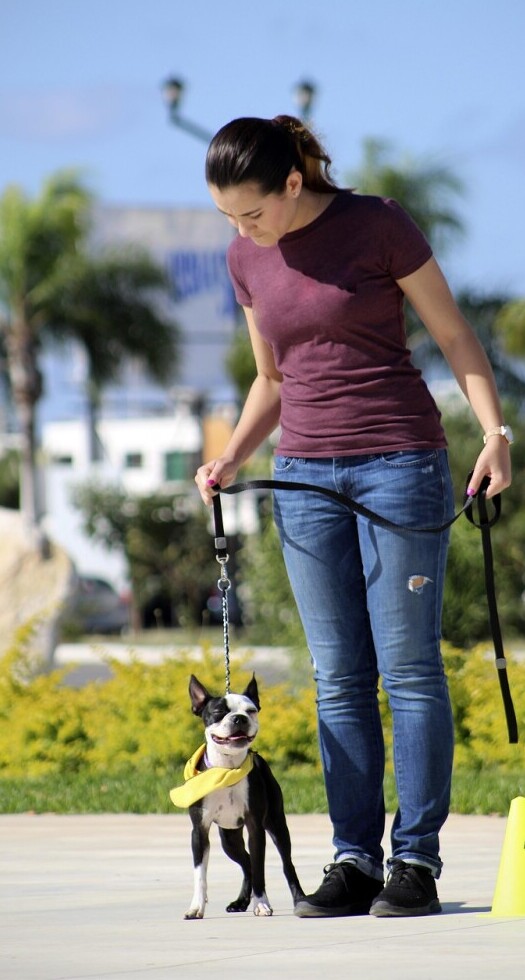
When addressing undesired behaviors, it’s key to understand the root cause first. Training should be consistent yet empathetic, rewarding positive actions to encourage good habits. This creates an environment where clear communication is the norm.
To strengthen your two-way communication, engage in regular play and training sessions. These interactions not only improve your dog’s skills but also fortify the mutual understanding between you two. During these sessions, pay attention to their signals and adjust your approach as needed.
Finally, respect your dog’s individuality. Some are naturally more vocal or active, while others may communicate through subtler cues. Getting familiar with what’s typical for your dog helps in identifying when something’s off, allowing timely interventions.
Creating a communication-rich relationship with your dog is an ongoing process that rewards you both immensely. With each successful interaction, you’re building a stronger, more responsive partnership. And it can feel like you both have your own secret language.