

A few of the links in this post are affiliate links. If you buy something, we may earn a small commission (no extra bones from your wallet 🐾). Thanks for helping support the site and all of the dog adventures!
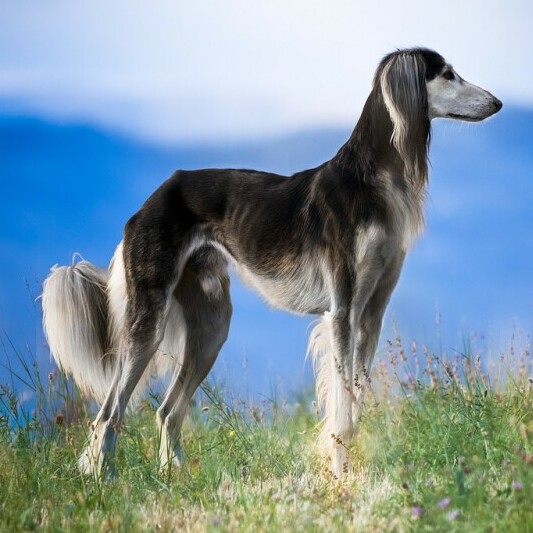
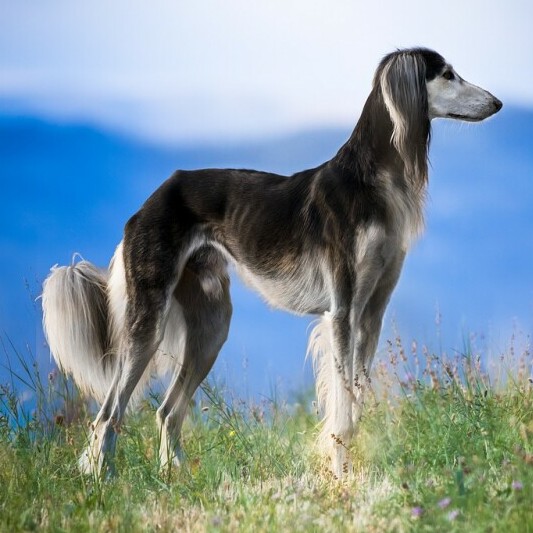
Isn’t it great when you see a dog with a nice, beautiful shiny coat? It’s easy to appreciate the visual appeal, but there’s a lot going on beneath the surface. A dog’s coat is like a billboard for its overall health.
We’re going to let you in on how a nutritious diet, proper grooming, and wellbeing are intertwined to give your dog that enviable gleam. Let’s dive in so we can figure out how to keep your dogs coat shiny.
It’s not just about looking good. A shiny coat is often telling us that a dog is getting the right balance of nutrients, including healthy fats and oils that are key to skin health.
If you want to boost the shine in your pup’s coat, it often starts with a solid meal plan tailored to their needs. That means the right food, maybe some supplements – the works. Make sure to find the right food that will keep your dogs health top notch.
Regular grooming also plays a huge part. We’re going to talk about brushing, bathing, and all the behind-the-scenes effort that contributes to a glossy finish.
This doesn’t just help with appearance; it also stimulates the skin and helps distribute those natural oils. Think of it like the canine equivalent of using a conditioner. So we’re not just looking to be pretty, but we want them to be healthy as well.
Click here for our top picks for the best dog brushes.
Lastly, remember that monitoring your dog’s health is crucial. A lack of luster in a dog’s coat could hint at issues needing a vet’s attention. So it’s vital, not just for the sake of pride in a well-kept pooch, but for their overall wellness. Any recurring skin issues or patches in the coat needs to be treated the right way.
As we wrap up this section, it sets the stage to dive into the fascinating world of dog breed specifics. Each breed comes with its unique set of characteristics, and understanding these can make all the difference in how we approach their coat care. We’ll go over how the type of breed may change your approach.
Diet is one of the biggest factors in coat health—get the details in Dog Nutrition 101: Feeding for Every Life Stage.
Looking for fresh dog food delivered? Click here.
Matching the Sheen to the Breed: Understanding Variations
We’re going to take you through why different dog breeds have different needs when it comes to their coats. Imagine a Husky and a Doberman; They look worlds apart, and that’s partly because of their distinct coats. You’re going to find out about the factors that give some breeds a naturally glossy finish while others sport a more matte sheen.
Not all dogs are born with the same type of coat, and that’s where breed considerations come into play. Some like the Afghan Hound or the sleek Doberman are known for their shiny locks.
Meanwhile, there are breeds like the Old English Sheepdog, with a coat that’s more about function than shine, designed to protect from harsh weather conditions.
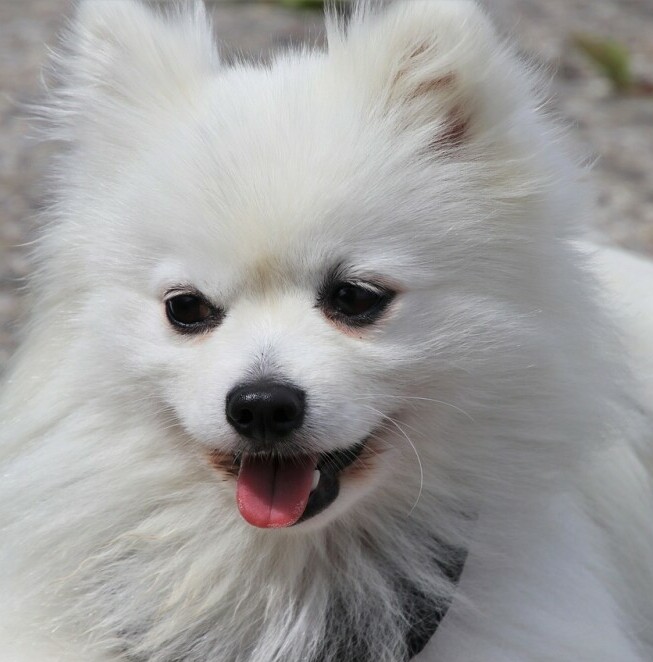
In our opinion, understanding your dog’s breed-specific characteristics is crucial for appropriate care. For example, a Pomeranian’s fluffy double coat requires different grooming techniques compared to the smooth, short coat of a Beagle.
Recognizing the natural coat type of your dog will guide you in choosing the right tools and products, setting you up for the next section where we dive into those essential items. In order to understand how to treat your dogs coat, it’s important to cater to the type of breed you own.
A shiny coat is often a reflection of overall health—discover more in Complete Dog Health and Wellness Guide.

Crafting the Shine: Tools and Practices for Lustrous Coats
Now, we’re going let you in on the tools and techniques you need for that head-turning sheen. Don’t worry too much about breaking the bank; it’s about choosing the right tools for your dog’s specific needs.
Start with a high-quality brush or comb that suits your dog’s coat type. A pin brush works great for long-haired breeds, while a bristle brush is ideal for short-haired ones.
This isn’t just about the brush; other tools like de-shedding tools, grooming gloves, and slicker brushes also play pivotal parts in your grooming toolkit. Regular brushing is key – it distributes natural oils, removes dirt, and prevents mats. Doing this a few times a week can work wonders for your dog’s coat.
Click here for our top picks for the best dog brushes.
You’re going to find out that bathing is another fundamental aspect, but the question is, how often? This really depends on your dog’s lifestyle and breed. A monthly bath with a gentle, dog-specific shampoo can maintain the coat’s natural shine without stripping away essential oils.
Is it all in the shampoo? Well, that’s a common misconception. Quality shampoo is essential, but so is a good conditioner, especially for longer coats. It hydrates the hair, eases detangling, and gives a glorious sheen post-grooming. But remember, always choose products designed for dogs, as human products can harm their sensitive skin.
A step-by-step routine for coat care is what follows next. It’s going to help you stay on track with your dog’s grooming needs and keep that coat glossy and healthy. Remember, it’s consistent care that makes all the difference. We will go over the best strategy for a healthy and shiny coat.
Regular brushing distributes oils that keep fur glossy—see tools in Best Dog Brushes for Shedding.
A Step-by-Step Approach to Ultimate Coat Care
We’re going to wrap this up with some practical steps you can take to keep your dog’s coat looking its best. Remember, there’s no one-size-fits-all solution, so tailor these steps to fit your furry friend’s needs.
You’re going to find out that consistency is vital. Establish a regular grooming routine that’s appropriate for your dog’s breed and coat type. Whether it’s daily brushing for long-haired breeds or less frequent grooming for short-haired ones, stick to it.
If you want to ensure your dog’s coat remains shiny and healthy, don’t forget about nutrition. Balanced diets designed for your dog’s specific age, breed, and health requirements contribute significantly to coat condition. Add supplements like omega fatty acids if recommended by your vet.
Maintaining your dog’s shine isn’t just about the external work. Regular exercise, up-to-date vaccinations, and parasite control play crucial roles in overall skin and coat health. If you notice redness on the skin or scabs covering the body, you may need to consider checking for bugs or parasites.
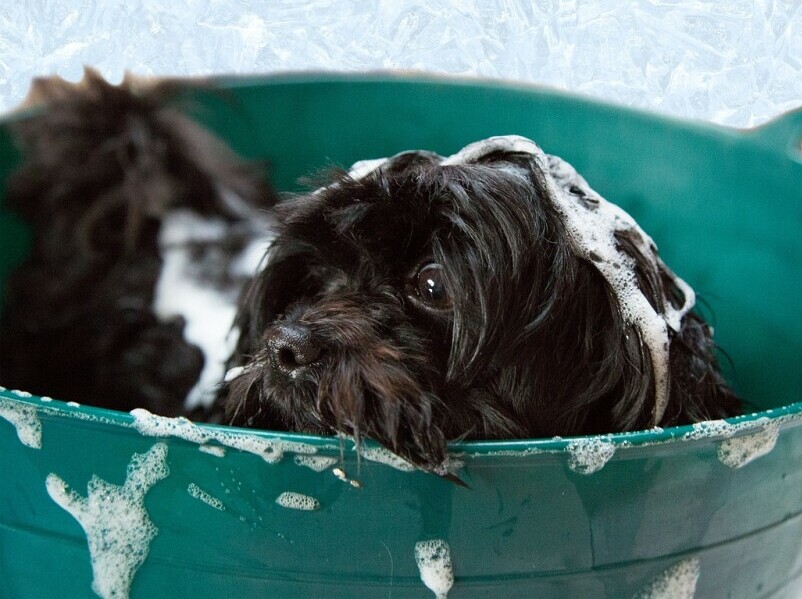
While shampoo is important, it’s not the end-all and be-all. Choose a high-quality dog shampoo that’s suited to your dog’s skin. Overbathing can strip the coat of natural oils, so moderate the baths. Getting into a bathing routine is great, especially during muddy season, but no need to overdo it with the bathing.
In our opinion, it’s a good idea to consult with a professional groomer or your vet if you’re unsure about any aspect of coat care. They can provide personalized advice and help you tweak your routine as your dog’s needs change.
If you have tried different methods and still can’t seem to get a nice beautiful coat, you may need to look into if your pup has a skin condition or other health issues.
We really hope that you’ve found these insights helpful. Your dog’s shiny coat isn’t just a marker of beauty; it’s a sign of a happy, healthy pup. With these tips we hope you will be able to show off your dog like the stars that they are. Keep it shiny!
If your dog’s coat looks dull or thin, it may be linked to issues covered in What Causes Dogs to Lose Hair?
Looking for fresh dog food delivered? Click here.