

A few of the links in this post are affiliate links. If you buy something, we may earn a small commission (no extra bones from your wallet 🐾). Thanks for helping support the site and all of the dog adventures!
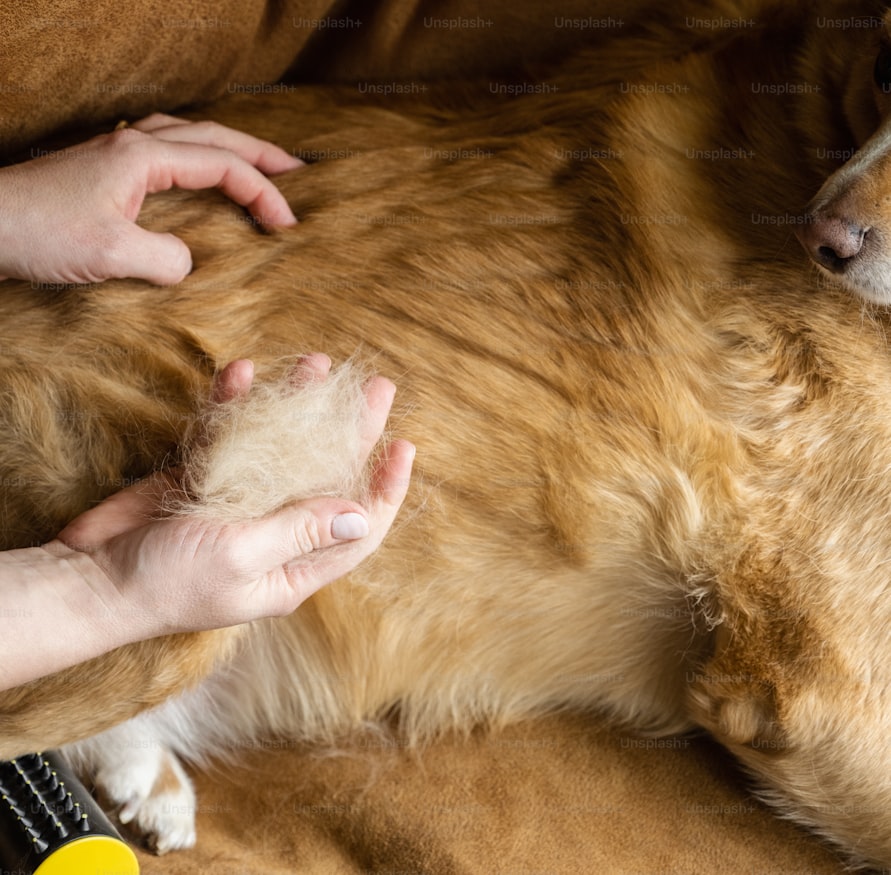
We understand how worrying it can be when you notice your dog’s once lush coat starts to thin and bald spots emerge. Hair loss, or alopecia in dogs, is more than a cosmetic issue; it can be a telltale sign of underlying health concerns. So we are going to go over what causes your dog to lose hair, and also what you can do about it.
Hair loss in dogs isn’t uncommon, and it can stem from various causes, ranging from allergies and hormonal imbalances to parasitic infestations and stress. In some cases, it could also be due to their breed-specific characteristics or even their life stage. For instance, as dogs grow older, their coats may naturally thin.
The process behind hair loss can vary significantly. Sometimes it’s as straightforward as the shedding cycle accelerating, leading to patches rather than uniform thinning. Other times, it could involve skin irritation or damage that prevents hair from growing back.
To differentiate whether your dog’s hair loss is a standard aspect of their shedding cycle or a symptom that warrants concern, you need to know what to look for. Distinct patterns, like symmetrical hair loss on the body, might allude to hormonal issues, while a more scattered pattern could point to parasites or fungal infections.
As you might imagine, deciphering these signs is crucial. In the next section, we’ll guide you through spotting the indicators of hair loss in your furry friend and understanding when it’s time to worry. You need to know what causes it because treatments can vary greatly depending on the issue.
Hair loss is often linked to skin issues. Learn safe solutions in Natural Remedies for Dog Skin Problems.
Looking for fresh dog food delivered? Click here.
Is Your Dog Losing Its Hair? Identifying the Signs
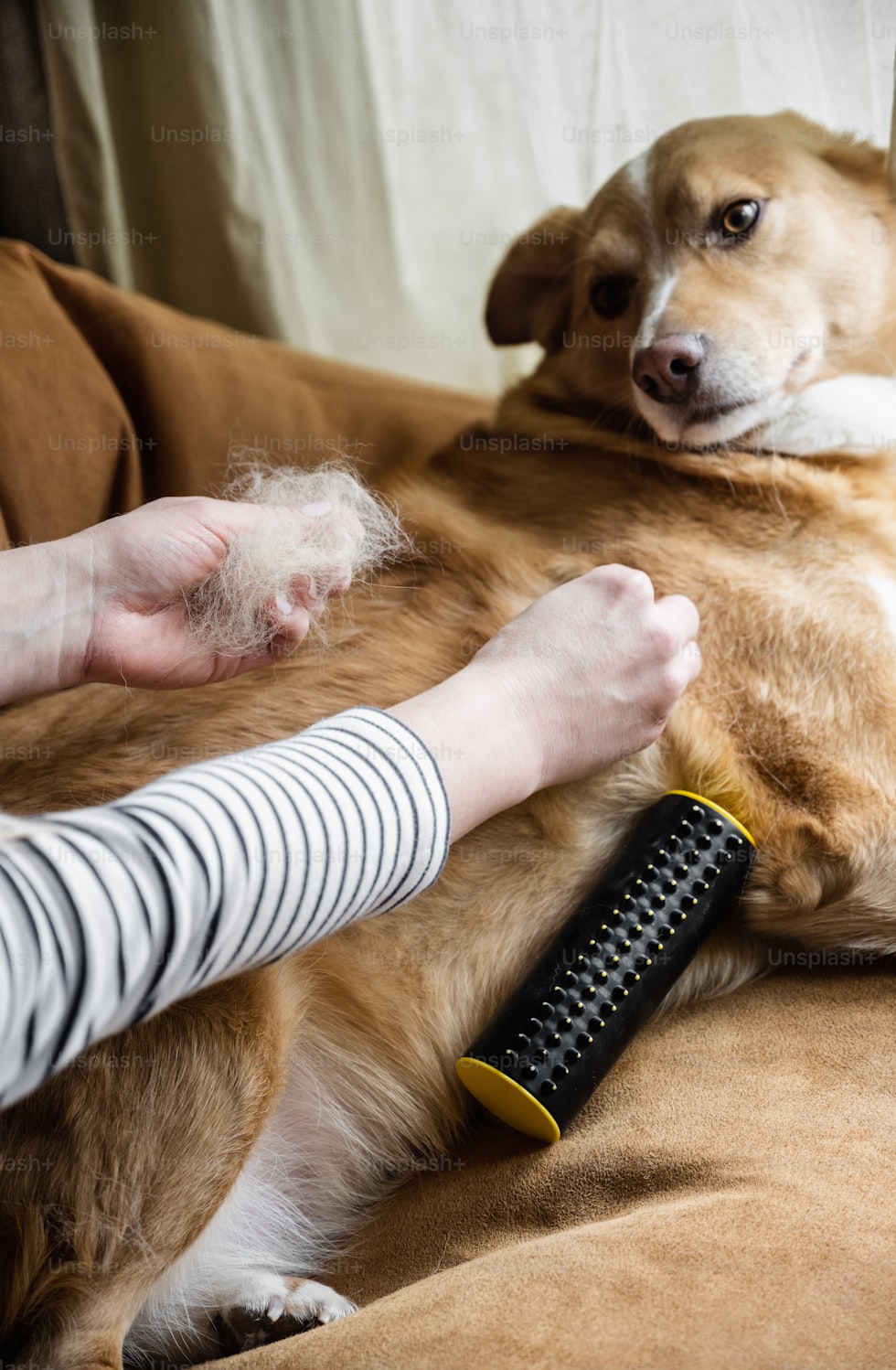
If you’re noticing more fur than usual on your furniture or your dog’s brush, it may be more than normal shedding. It’s vital to pay attention to the amount and patterns of hair loss. Patches of missing fur or significantly thinner areas can point to health issues that need addressing.
Additionally, look for other symptoms that might accompany hair loss. These could include skin irritation, redness, or flaking. If your dog is itching, scratching, or biting excessively at their skin, this also indicates that something isn’t right. Remember, dogs can’t tell us when something is wrong, so observing these signs is crucial for their well-being.
Behavior changes can offer further clues. If your dog seems lethargic, less interested in play, or changes in their eating habits, it might be related to their hair loss. Stress, anxiety, or pain can lead to both behavioral shifts and physical symptoms like hair loss.
If your dog is experiencing substantial hair loss, you may need to ask whether they have anything stressful in their lives that could make this happen. Too much anxiety can cause crazy things to happen to your dog, so be sure to provide a nice comfortable environment for your pup.
Hair patterns can be telling, too. For instance, hair loss due to allergies often occurs around the face and paws, while hormonal imbalances might cause a symmetrical pattern on your dog’s body.
It’s also good practice to note any recent changes in your dog’s environment or products you’re using, as these can sometimes trigger allergic reactions. The location and severity of the hair loss may be able to help you solve this.
Proper grooming reduces hair loss and keeps coats healthy. See top brushes in Best Dog Brushes for Shedding.
Diagnosing the Underlying Problem: Steps to Take
If you’ve noticed your dog shedding more than usual, it’s crucial to determine why. The first and most important step is to consult a veterinarian. Hair loss can be a sign of various conditions, and a professional assessment is imperative.
During the visit, your vet might suggest several tests. Skin scrapings can check for mites, fungal cultures can identify ringworm, blood tests can reveal hormone imbalances, and allergy tests can detect sensitivities. All of this can narrow down the cause in order to provide the best treatment for your pup. If you think your pup may have fleas, click here.
Diet, environment, and genetics play roles in your dog’s skin health. Your vet may inquire about recent diet changes, potential contact with irritants, or if your dog’s breed is prone to skin issues.
It’s possible your dog has genetic issues, so you need to be aware of any common problems that your breed may come across. If hair loss is common in its DNA, that is quite different than a dog having a severe reaction to its food or environment.
It’s essential to provide your vet with a thorough history. Keep a record of symptoms, when they started, and any other notable changes. Accurate information helps your vet make the best diagnosis.
Tell them where the hair loss has been and any allergy issues that you are aware of for your pup. Next we will wrap things up with ways to get your dogs skin and coat to the way it should be.
Scratching often accompanies hair loss. Reduce irritation with How to Stop Dog from Scratching.
Conclusion: Restoring Your Dog’s Coat and Health
Hair loss in dogs can be distressing, but remember, treatment is often successful once you identify the cause. Your vet is your ally in this. They can prescribe the right medication, suggest suitable supplements, and even recommend dietary adjustments specific to your dog’s condition.
At home, simple changes can make a big difference. A balanced diet rich in omega fatty acids, regular grooming, and a stress-free environment contribute to a healthy coat. If your dog’s skin seems irritated by shampoos or other products, consider hypoallergenic options.
Prevention, as they say, is better than cure. Maintaining a consistent routine that includes a healthy diet, regular vet check-ups, and prompt treatment of any skin conditions can help avoid hair loss from becoming a recurring issue.
Keeping your house clean and free from anything that can cause these issues is the best way to avoid having some of these problems.
Make sure to give them regular baths with soap that doesn’t irritate skin in order to keep your dogs coat clean and healthy. Keeping their fur and skin clean will help prevent certain skin issues that can arise.
Lastly, the key to helping your dog through hair loss is patience. Results from any treatment can take time to manifest. Observe your dog closely during this period, and don’t hesitate to return to the vet if the condition doesn’t improve or worsens.
At first it may be a trial and error period, figuring out exactly what is the cause of the hair loss. But once you do find the cause, you can begin to effectively treat the problem.
Always remember that each dog is unique, and what works for one might not work for another. Stay in tune with your pet’s needs, and with time and care, you can help restore not just their lustrous coat, but also their vitality and happiness.
Healthy and happy together is what you’re after, so when your dog has a beautiful coat of hair it doesn’t itch to save from all that excessive and annoying scratching, well that’s about as happy as it can be.
Herbal and home remedies can help maintain coat health. Learn more in Natural Remedies for Common Dog Ailments.
Looking for fresh dog food delivered? Click here.