



A few of the links in this post are affiliate links. If you buy something, we may earn a small commission (no extra bones from your wallet 🐾). Thanks for helping support the site and all of the dog adventures!
Trying to figure out if your furry buddy is in tip-top shape? Knowing your dog is healthy can give you real peace of mind. But what constitutes a healthy dog? We’re here to help you find the answer to that very question. We want to give you the basic things to look for with your dog and how to get an idea about the overall health of your pup.
Let’s take a look at the basics you’ve got to keep an eye on. Weight is a pretty obvious one—neither too bony nor too pudgy is what you’re going for. Feel for their ribs. If you can easily feel them without seeing them, you’re on the right track. Many dogs, especially as they get older, begin to put on weight which leads to more serious health issues down the road. The weight and amount of fat your dog has will depend on the breed, but no dog should be obese.
That lush, shiny coat they’re sporting isn’t just for show. A healthy dog’s fur is smooth and not too greasy or dull. It kind of reflects how well they’re doing inside, too. If they’re shedding too much or have bald spots, it might be time for a vet visit.
Look at your dog’s coat to get an idea of how healthy their fur and skin are. If your dog doesn’t have a shiny coat, there are many products and shampoos to fix this problem and give your pup a beautiful and shiny coat.
Energy levels can tell you loads as well. A healthy dog is usually pretty curious and engaged with what’s going on—basically like a toddler refusing nap time. If they’re not bouncing around like they usually do, it’s worth checking out. They should have energy to burn during the day and sleepy later on.
If your dog doesn’t seem to have any energy, it could be a sign that there is something wrong with their health. It might need a change in diet or it could be a deeper issue that might need the attention of a vet.
Regular vet check-ups aren’t optional. These visits help catch anything that’s hiding underneath the surface, from dental issues to something funky with their digestion. Vets can spot stuff you might miss, so make these appointments a regular thing on your calendar. Getting your dog all the proper vaccinations and treatment can keep them healthy and free from parasite or disease.
Behavior is another huge sign. A healthy dog is generally sociable, loves belly rubs, and isn’t afraid to show some sass every now and then. If they suddenly become solitary or stop jumping with joy when you come home, pay attention.
That change in behavior can speak volumes about how they’re feeling physically. If they are snapping at you or ignoring you, they could feel scared or possibly sick. Show them love without being overbearing, and look for signs or sickness or an injury.
Health isn’t just about appearances. See the full picture in The Complete Dog Health and Wellness Guide.

Does Your Dog Seem Unwell? Key Signs to Watch For
Ever notice your dog isn’t acting like their usual self? There are a few things you should keep an eye out for. Lethargy is a big red flag—dogs are naturally playful and if they’re suddenly snoozing all the time, it’s worth a closer look. All dogs sleep, A LOT, but if your dog seems to be out of it without getting up every so often, there could be a problem.
Changes in appetite can also mean trouble. If your pup usually gobbles up dinner like they’re in a pie-eating contest but starts leaving food untouched, it might be a sign something’s off. Keep an eye on bathroom habits too; they can give you clues about internal health issues. Dogs love to eat and will usually be ready and excited for mealtime, so if your dog isn’t eating then this could be a sign that there is something wrong.
Behavioral changes are another telltale sign. That once playful tug-of-war champ who now seems withdrawn might be experiencing some discomfort. Pay attention to how they interact with other pets or family members—less enthusiasm could mean they’re not feeling great.
Some issues need faster action than others. Excessive vomiting, especially when paired with diarrhea or a fever, demands immediate attention from your vet. Don’t just brush it off as a bad day.
Acting quickly can make a huge difference in getting your dog back to their usual antics. Dogs may cough up bile every now and again, this is totally normal. But if your pup is throwing up often and not keeping food down, this could be an issue.
Sometimes being best buds isn’t enough to notice the subtle signs. Nose or ears that feel warmer than usual, or a change in their bark might not seem like much, but they can indicate issues. Trust your gut if something feels off. You know your dog better than anyone, after all. Feel for any kind of fever or injury that may require some attention.
Recognizing warning signs early is crucial. Learn what to watch for in How to Spot Early Signs of Illness in Dogs.
Creating a Healthy Lifestyle for Your Dog
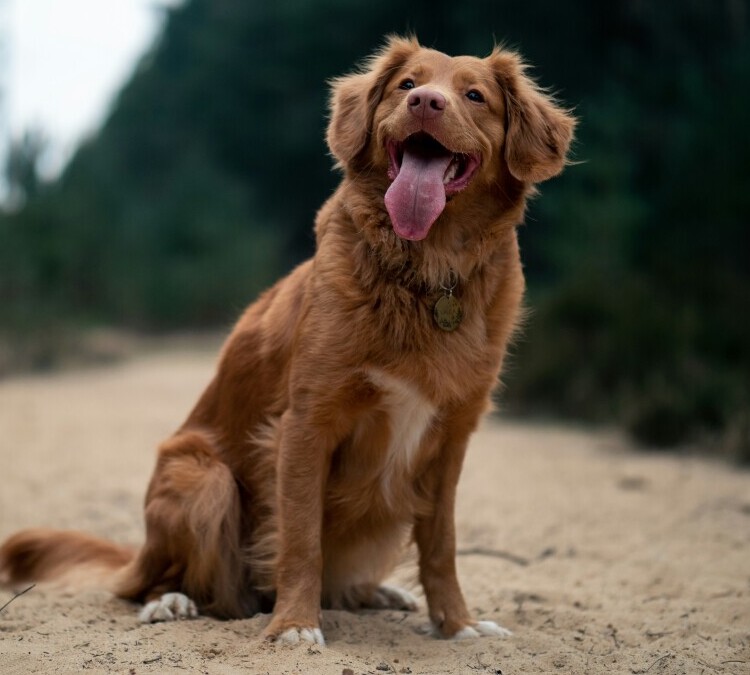
Building a solid lifestyle for your pup starts with nutrition, and making sure they’re munching on the right stuff is key. It’s not just about any kibble or treats that come on sale. You’ve got to think about what suits their breed, age, and size—and that chat can start with your vet or a pet nutritionist. Make sure you get food that provides protein and a balanced diet, so that your pup is getting all the nutrients it needs.
Dogs need their playtime just like anybody else, but the type and amount of exercise can depend on their breed and age. A young lab might thrive on long runs and endless games of fetch, while an older pug might be happier with a leisurely stroll. Find the right activity that gets their tail wagging. It’s important that you find time to get your dog to exercise, because as they become less active they will begin to gain weight which can lead to more health issues later on.
Exercise isn’t the only thing that keeps dogs happy. Mental stimulation is a thing and it’s vital. Puzzle toys or even teaching new tricks keeps them sharp and keeps boredom and mischief at bay. A tired dog is a happy dog, and nothing tires them out like a mental workout. Keep your dog engaged and using its mind, as this will help keep your dog from becoming bored and getting into trouble.
Creating and sticking to routines really makes a difference. Meals at consistent times, regular walks, and daily playtime aren’t just comforting—they actually help with maintaining good behaviors and overall health. Dogs adapt to a routine, so changing it can really mess with their senses.
When it comes to creating a healthy environment, don’t forget about socializing. Dogs thrive on companionship, not just with humans but other dogs too. Ensuring they get regular social interaction will help them stay happy and well-adjusted. Make time for a trip to the dog park or a play date with a friend.
Weight is a key health indicator. Assess your dog with Is Your Dog Overweight? How to Tell and What to Do.
How to Regularly Monitor Your Dog’s Well-being
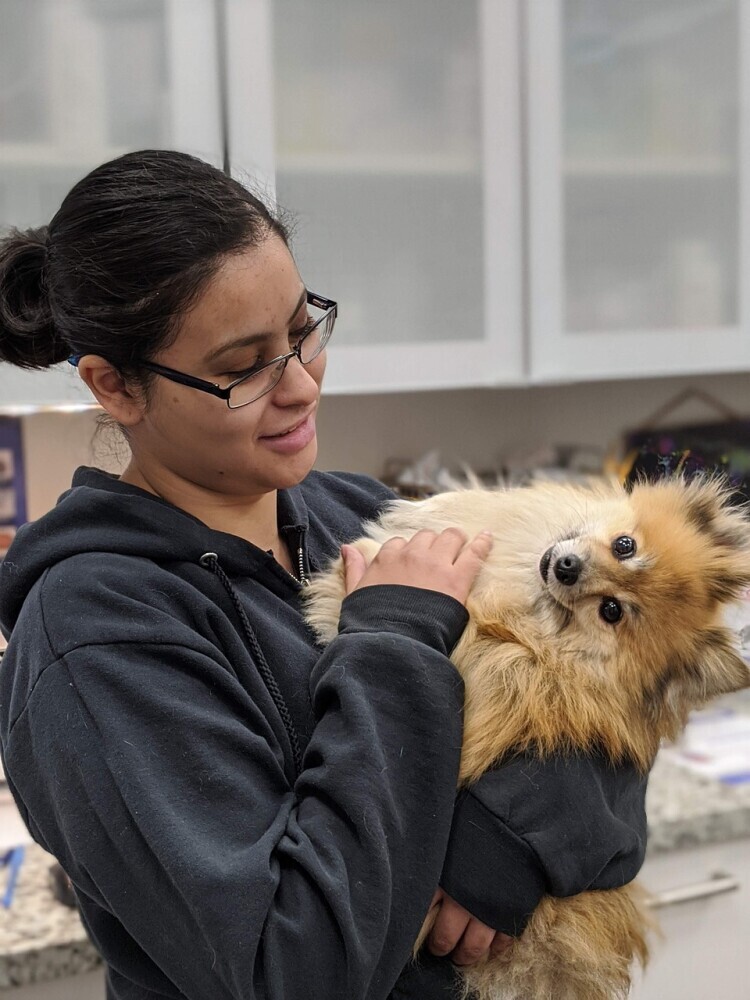
Having a set routine for grooming, dental care, and regular vet check-ups can keep your furry pal in prime health. Brushing not only keeps their coat looking great but also helps distribute natural oils that contribute to their overall wellness. A healthy coat makes for a healthy dog!
Technology is on your side when it comes to tracking your dog’s health. There are gadgets and apps that monitor everything from diet to activity levels, helping you spot any changes on the fly. These days there is no shortage of ways to keep track of your dog’s health.
Feedback from professionals who work with dogs all the time—like trainers or behaviorists—can offer fresh insights. Small adjustments in their daily routine, based on such feedback, can be beneficial. A vet or nutritionist can give you an idea if your pup is in good condition.
Stay tuned in to how your dog behaves and looks. If something seems odd, jot it down. Notes on health or mood changes can be super helpful during vet visits to give context and details. It’s about creating habits that keep both of you aligned.
Knowing what’s normal for your dog helps you see when something’s off. Trust yourself to diagnose the issue or decide when it’s time to visit the vet; nobody knows your dog better than you!
Feeding the wrong foods can affect your dog’s health. Check guidelines in Safe and Unsafe Human Foods for Dogs.